

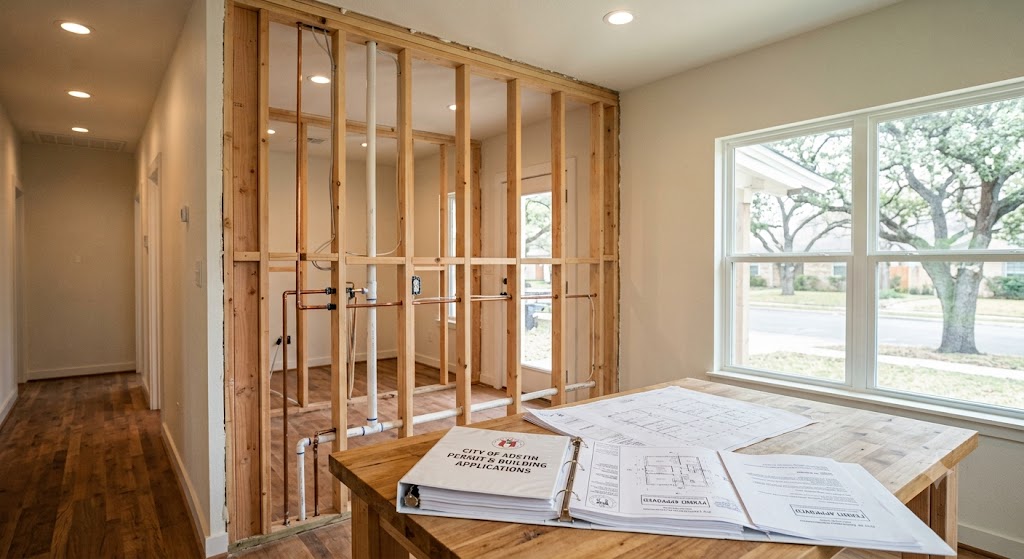
The Role of Permits and Building Codes in Austin Home Renovations
Understanding Why Permits Matter in Every Renovation Project
Home renovations can completely transform the way a property looks, functions, and feels, but every successful project begins with more than just a great design. One of the most important aspects of remodeling is ensuring that every improvement complies with local permitting requirements and building regulations. Whether the work involves expanding a kitchen, remodeling a bathroom, adding living space, or making structural changes, permits play a significant role in protecting homeowners and ensuring construction is completed safely. We believe that understanding these requirements from the beginning helps avoid unnecessary delays and costly mistakes. A well planned renovation is always built on a strong legal and structural foundation.
Permits exist to confirm that construction meets established safety standards and follows local regulations. They help ensure that electrical systems, plumbing, framing, mechanical installations, and structural modifications are completed correctly. While some homeowners may view permits as an extra step, they actually provide valuable protection for both current and future property owners. Approved work creates confidence that improvements have been inspected and completed according to professional standards. This becomes especially important when selling a home or refinancing the property later.
Why Austin Has Strict Building Codes
Austin continues to experience rapid residential growth, making building codes an essential part of responsible development throughout the city. Local regulations are designed to maintain structural integrity, improve energy efficiency, protect public safety, and encourage sustainable construction practices. These codes evolve over time as new technologies, materials, and environmental standards emerge. We stay informed about these updates because even small code changes can influence how renovation projects are planned and executed. Understanding these requirements before construction begins helps reduce unexpected revisions during the project.
Building codes cover a wide range of construction activities beyond simple structural work. They regulate electrical installations, plumbing systems, HVAC equipment, fire safety measures, insulation requirements, foundation work, accessibility considerations, and many other aspects of residential construction. Every approved renovation contributes to safer neighborhoods and stronger homes throughout Austin. Compliance also helps homeowners avoid expensive corrections after inspections identify deficiencies. Following current regulations from the beginning creates smoother projects with better long term value.
Which Renovation Projects Usually Require Permits
Not every improvement requires official approval, but many substantial remodeling projects do. Structural wall modifications, room additions, garage conversions, window enlargements, roofing replacements in certain situations, electrical upgrades, plumbing relocations, HVAC installations, and foundation repairs commonly require permits before work begins. Homeowners often underestimate how many renovation activities fall within permit requirements. We carefully evaluate every project to determine which approvals are necessary before construction starts. This planning minimizes interruptions once work is underway.
Even projects that appear straightforward can involve hidden complexities requiring inspections. For example, moving plumbing lines during a bathroom remodel or installing new electrical circuits in a kitchen renovation often triggers permit requirements. Likewise, expanding living areas or modifying load bearing walls requires engineering review and official approval. Identifying these requirements early helps establish realistic timelines and budgets. Proper preparation ultimately leads to more efficient project completion and greater peace of mind for homeowners.
The Risks of Skipping Required Permits
Attempting to avoid permits may seem like a way to reduce costs or accelerate construction, but it often creates much larger problems later. Unpermitted work can lead to financial penalties, mandatory reconstruction, failed inspections, insurance complications, and difficulties during future property sales. Buyers frequently request documentation confirming that major renovations were properly approved and inspected. Missing records can delay transactions or reduce property value significantly. Investing in proper permitting protects homeowners from these avoidable complications.
Insurance companies may also raise concerns when damage involves construction that was completed without required approvals. Claims can become more complicated when renovations fail to comply with local regulations. Additionally, city officials may require unauthorized work to be exposed or removed for inspection before allowing occupancy. These unexpected expenses often exceed the original cost of obtaining permits. Taking the correct path from the beginning remains the safest and most economical decision.
How Building Inspections Protect Homeowners
Permits are closely connected with inspections, which serve as important quality control checkpoints throughout construction. Inspectors review different phases of a renovation to verify that work complies with approved plans and current building codes. These inspections provide another layer of protection by identifying potential issues before they become larger structural or safety concerns. We view inspections as valuable opportunities to confirm that every stage of construction meets professional expectations. Successful inspections also provide confidence that work has been completed properly.
Inspection schedules vary depending on the scope of the renovation. Projects involving electrical systems, plumbing installations, structural framing, insulation, and final finishes often require multiple inspections before completion. Each inspection documents compliance with established standards while helping maintain accountability throughout construction. Passing inspections demonstrates that the renovation has been completed responsibly. This documentation remains beneficial for future maintenance, insurance purposes, and eventual property resale.
How Building Codes Improve Long Term Home Performance
Modern building codes extend well beyond structural safety by encouraging better overall home performance. Updated regulations often improve energy efficiency, indoor comfort, moisture management, ventilation, insulation, and environmental sustainability. These improvements contribute to lower utility costs while creating healthier living environments for homeowners and their families. We appreciate how current building standards support both immediate functionality and long term property value. Compliance today often translates into reduced maintenance costs tomorrow.
Energy efficient windows, improved insulation standards, modern HVAC requirements, and updated electrical systems all contribute to homes that perform more effectively over time. Code compliant construction also helps reduce the likelihood of future repairs resulting from outdated installation methods. Homeowners benefit from greater durability, improved reliability, and enhanced comfort throughout every season. Building codes continue evolving because construction technology continues improving. Staying current ensures every renovation benefits from the latest safety and performance standards.
Planning Ahead Simplifies the Permit Process
One of the most effective ways to reduce delays is thorough planning before construction begins. Accurate project drawings, complete documentation, engineering calculations when necessary, and clear communication with local authorities all contribute to a smoother permitting process. Preparing these materials early allows potential issues to be resolved before construction starts. We believe that investing time during planning creates significant savings throughout the remainder of the renovation. Organized preparation supports efficient scheduling and better project coordination.
Timelines can vary depending on project complexity and municipal review requirements. Larger renovations involving structural modifications generally require additional documentation and longer review periods than smaller interior updates. Factoring these approval timelines into the overall construction schedule helps establish realistic homeowner expectations. Careful planning also reduces the likelihood of costly design changes after permits have already been submitted. A proactive approach keeps projects moving steadily toward completion.
Working With Experienced Renovation Professionals
Navigating permits and building codes can feel overwhelming for homeowners who are unfamiliar with local construction requirements. Professional guidance helps simplify the process by identifying necessary approvals, preparing documentation, coordinating inspections, and ensuring construction follows approved plans. Renaissance Contracting understands that successful renovations require more than quality craftsmanship alone. We recognize that regulatory compliance is equally important for delivering projects that remain safe, durable, and legally documented. Every renovation deserves careful attention to both construction quality and administrative requirements.
Experienced contractors also maintain relationships with engineers, inspectors, suppliers, and other professionals involved throughout the renovation process. This coordination helps streamline communication while reducing delays caused by incomplete documentation or scheduling conflicts. Homeowners gain confidence knowing their project is progressing according to established requirements. Professional oversight contributes to smoother construction from initial planning through final inspection. The result is a renovation completed with confidence and lasting value.
Choosing Compliance for Lasting Peace of Mind
Every successful home renovation balances creativity with responsibility. Beautiful designs and quality materials deliver outstanding visual results, but permits and building codes provide the framework that ensures those improvements remain safe, functional, and legally recognized for years to come. Renaissance Contracting approaches every project with careful attention to planning, compliance, and craftsmanship because each element contributes to the overall success of the renovation. We believe homeowners deserve improvements that not only enhance daily living but also protect their long term investment.
Whether renovating a single room or transforming an entire property, understanding the role of permits and building codes helps homeowners make informed decisions throughout the remodeling journey. Proper approvals reduce risk, simplify future property transactions, improve construction quality, and strengthen confidence in every completed project. Renaissance Contracting remains committed to delivering renovations that meet both client expectations and local construction standards. By combining thoughtful planning with professional execution, we help create Austin homes that are beautiful, safe, compliant, and built to stand the test of time.
Planning a Remodel in Austin?
Renaissance Contracting has helped Greater Austin homeowners since 2006 with kitchen and bathroom remodels, room additions, flooring, cabinets and whole-home renovations. We serve Austin, Cedar Park, Round Rock, Georgetown, Leander, Pflugerville and Hutto.
See our kitchen remodels, bathroom remodels, room additions, or our full list of remodeling services.
Call (512) 691-9047 or request your free estimate today.