

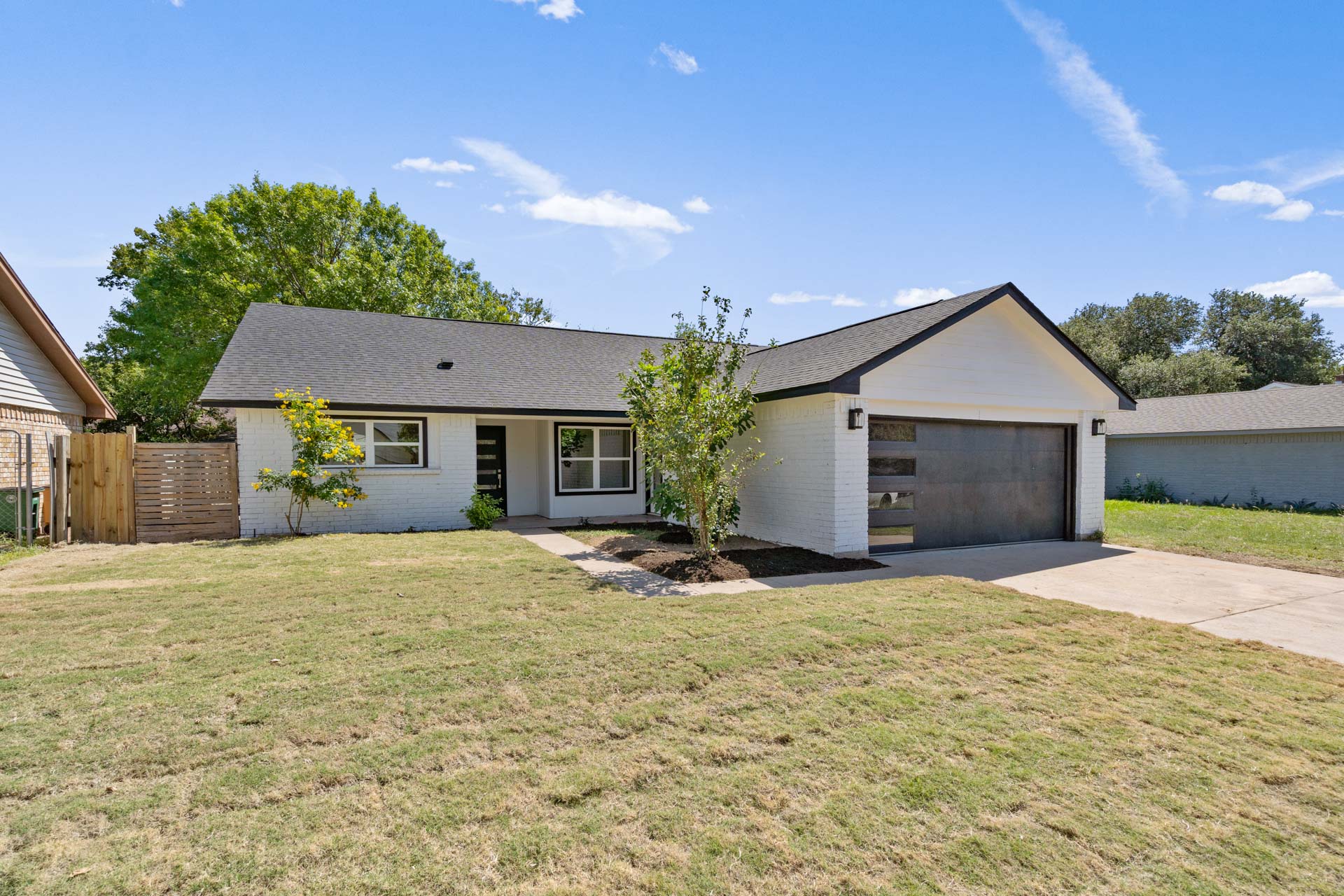
Why Austin Homes Built for Mild Winters Often Need Different Remodeling Strategies for Extreme Summer Heat
Austin homes are often designed around a climate that historically allowed homeowners to enjoy relatively mild winters and long periods of comfortable outdoor weather. However, the demands placed on a home during an intense Texas summer can be very different from those associated with winter conditions. Prolonged heat, strong sunlight, high cooling demands, and rapid temperature changes can expose weaknesses in older construction that may not have been obvious during cooler months. A remodeling project therefore needs to consider how the entire home responds to sustained summer heat rather than focusing only on appearance or interior updates. At Renaissance Contracting, we approach remodeling with the understanding that Austin homes need solutions suited to the realities of the local climate. Our goal is to create renovations that improve comfort, durability, efficiency, and everyday usability while also complementing the character of the property.
Austin’s Climate Creates Different Remodeling Priorities
Many older Austin homes were built when expectations for indoor comfort, energy efficiency, and insulation performance were different from what homeowners expect today. Mild winter conditions may have made certain construction approaches seem adequate for much of the year, but extended periods of extreme summer heat can place significantly greater stress on the building envelope. When outdoor temperatures remain high for days or weeks, heat can move through roofs, walls, windows, doors, and other vulnerable areas. The air conditioning system must then work harder to maintain the desired indoor temperature. This can create higher energy consumption while also making certain rooms noticeably warmer than others. A successful remodeling strategy should therefore address the ways heat enters and moves through the house instead of treating each room as an isolated renovation project.
The Roof Becomes a Major Summer Defense
The roof is one of the most important components to evaluate when remodeling an Austin home because it receives intense solar exposure throughout the summer. A roof that performs adequately during mild weather may contribute to substantial heat gain when exposed to strong sunlight for extended periods. Roofing materials, ventilation, insulation, and attic conditions can all influence how much heat eventually reaches the living spaces below. During a remodeling project, improving the overall roof assembly can help reduce heat transfer and make the upper levels of a home more comfortable. Proper attic ventilation can also help manage accumulated heat and moisture while supporting the long term performance of roofing components. Our remodeling approach considers the roof as part of the home’s complete thermal system rather than simply as an exterior finish.
Attic Insulation Can Make a Noticeable Difference
Insulation is another area where older Austin homes may benefit significantly from thoughtful remodeling. When insulation is insufficient, improperly installed, compressed, or unevenly distributed, heat from the attic can transfer into rooms below. This problem can be particularly noticeable in bedrooms and other spaces located directly beneath the roof. Improving insulation levels can help reduce unwanted heat transfer and allow the cooling system to maintain indoor temperatures more consistently. It can also reduce the amount of time an air conditioning system needs to operate at maximum capacity during periods of extreme heat. During a renovation, we can evaluate how insulation interacts with the roof, attic ventilation, recessed lighting, ductwork, and other components that affect overall thermal performance.
Windows Need to Be Evaluated for Heat Gain
Windows can be one of the most vulnerable parts of an older home when it comes to summer heat. Large areas of glass can allow significant solar radiation to enter the house, particularly when windows face south or west and receive direct afternoon sunlight. Older single pane windows or inefficient glazing systems can make certain rooms feel substantially warmer than the rest of the home. Modern window systems can provide improved thermal performance while also giving homeowners opportunities to update the appearance of their property. Window placement, glazing characteristics, frames, shading, and installation quality all influence how well a replacement performs. A remodeling project should therefore evaluate windows based on both their architectural role and their contribution to indoor comfort.
Exterior Shading Can Reduce Interior Heat
Creating shade around windows and exterior walls can be an effective strategy for managing summer heat before it reaches the interior of the house. Overhangs, covered patios, carefully positioned landscaping, exterior shades, and architectural features can reduce direct solar exposure during the hottest parts of the day. This approach can be especially valuable for rooms with large windows or strong western exposure. Unlike solutions that only respond after heat has entered the building, exterior shading works as part of a preventative strategy. It can also improve the usability of outdoor spaces by creating areas where residents can comfortably spend time during warmer months. When we plan a remodeling project, we consider how exterior improvements can work together with windows, insulation, roofing, and interior design to create a more comfortable home.
HVAC Capacity Is Not the Only Consideration
It is easy to assume that a warmer home simply needs a larger air conditioning system, but remodeling for extreme summer heat requires a more comprehensive approach. An oversized system can create its own problems because it may cycle too quickly without adequately controlling indoor humidity. At the same time, an undersized or aging system may struggle to keep up when outdoor temperatures remain exceptionally high. Ductwork, insulation, air leakage, zoning, thermostat placement, and room configuration can all influence cooling performance. Remodeling can provide an opportunity to address these factors rather than simply replacing equipment without examining the surrounding conditions. A well planned renovation should help the entire home work more efficiently so that mechanical cooling is supported by the building itself.
Ductwork Deserves Attention During Remodeling
Ductwork is often hidden behind ceilings, walls, and floors, which means homeowners may overlook it when planning visible remodeling improvements. However, damaged, poorly insulated, improperly sized, or leaking ducts can reduce cooling efficiency and create uncomfortable temperature differences between rooms. Heat gain can also occur when ducts pass through hot attic spaces without adequate insulation and protection. A renovation that opens walls or ceilings can provide an opportunity to inspect areas that would otherwise remain difficult to access. Improving duct performance can help deliver conditioned air more effectively to the rooms that need it. Addressing these hidden systems can make a remodeling investment more valuable because the finished space is supported by better underlying infrastructure.
Open Floor Plans Require Careful Summer Planning
Open floor plans are popular because they create a sense of space, improve natural interaction, and allow multiple areas to function together. However, removing walls can also change airflow patterns, cooling requirements, lighting conditions, and solar exposure within a home. A space that previously had separate rooms may behave differently after walls are removed or ceilings are opened. Large combined areas may require more strategic air distribution to maintain consistent temperatures throughout the space. Natural light can also introduce additional heat if new windows or expansive glass doors are incorporated without appropriate shading. Our remodeling process considers these factors before structural changes are finalized so that an attractive open plan does not unintentionally create new summer comfort problems.
Kitchen Remodeling Should Account for Heat
Kitchen renovations require special attention in Austin because cooking activities already generate substantial internal heat. Ovens, cooktops, dishwashers, refrigerators, lighting, and other appliances can contribute to the thermal load inside the home. A poorly ventilated kitchen can allow cooking heat and moisture to remain indoors for longer periods. During a remodel, homeowners can improve ventilation, appliance placement, insulation, lighting, and material selections to create a more comfortable environment. Efficient appliances can also reduce the amount of waste heat generated during daily use. A well designed kitchen should function beautifully while recognizing that every appliance and ventilation decision can affect the home’s summer comfort.
Bathroom Remodeling Can Improve Ventilation
Bathrooms may not seem directly connected to summer cooling strategies, but ventilation becomes increasingly important in a hot and humid environment. Showers generate moisture that can contribute to elevated indoor humidity when ventilation is inadequate. Excess humidity can make rooms feel warmer even when the thermostat indicates a comfortable temperature. It can also contribute to condensation and moisture related problems in areas that are poorly ventilated. During bathroom remodeling, improvements to exhaust ventilation, moisture resistant materials, windows, and layout can help create a healthier and more comfortable space. These improvements are particularly useful when combined with broader efforts to improve the home’s air sealing and mechanical performance.
Exterior Materials Need to Handle Texas Sun
The exterior of an Austin home experiences considerable exposure to sunlight, heat, wind, and seasonal weather changes. Remodeling materials that look attractive when newly installed must also be capable of maintaining their appearance and performance under demanding conditions. Certain finishes can fade, expand, contract, or deteriorate more quickly when exposed to repeated cycles of intense heat. Selecting appropriate siding, masonry, paint, roofing, doors, sealants, and exterior fixtures can therefore have a major impact on long term maintenance requirements. Light reflective surfaces may also help reduce solar heat absorption in selected applications. Our exterior remodeling recommendations focus on balancing architectural appearance with durability so that improvements continue to perform after the initial renovation is complete.
Flooring Choices Can Influence Comfort
Flooring is generally selected based on appearance, durability, maintenance, and personal preference, but temperature should also be considered when remodeling an Austin home. Some flooring materials remain relatively comfortable under changing indoor conditions, while others may feel noticeably warmer depending on their location and exposure. Areas near large windows or exterior doors can experience greater temperature variation than interior spaces. Material expansion and contraction should also be considered during installation because extreme temperature changes can affect certain products and installation systems. Choosing appropriate materials and allowing for proper installation conditions can reduce the likelihood of future problems. Remodeling should always consider how finishes will perform under the actual environmental conditions of the property rather than relying solely on their showroom appearance.
Doors and Air Sealing Matter More Than Many Homeowners Expect
Exterior doors can become significant sources of unwanted heat gain when seals, thresholds, frames, or surrounding construction are deteriorated. Small gaps may appear insignificant individually, but multiple points of air leakage can undermine the efficiency of an otherwise improved home. During remodeling, replacing old doors or correcting poorly sealed openings can improve comfort while also giving the exterior a refreshed appearance. Weatherstripping, properly installed frames, appropriate glazing, and quality sealing materials can all contribute to better performance. These improvements are especially valuable when combined with window upgrades and insulation work because they strengthen the overall building envelope. A comfortable home depends on controlling uncontrolled air movement as much as it depends on mechanical cooling.
Outdoor Living Areas Need a Different Design Approach
Austin homeowners often want to expand their usable living space through patios, decks, outdoor kitchens, covered areas, and transitional spaces between the interior and exterior. These areas need to be designed around the realities of summer heat rather than simply extending an indoor room outdoors. Shade, orientation, ventilation, surface materials, ceiling fans, landscaping, and protection from direct sunlight can dramatically influence how comfortable an outdoor space becomes. A covered patio can be much more useful when its design accounts for the position of the sun throughout the day. Outdoor kitchens and entertainment areas can also be positioned to reduce exposure during peak afternoon heat. Thoughtful remodeling can turn an outdoor area into a functional extension of the home rather than a space that sits unused during the hottest months.
Landscaping Can Become Part of the Remodeling Strategy
Landscaping is sometimes treated as separate from remodeling, but vegetation and site design can contribute to the overall thermal performance of a property. Trees can provide shade for windows, roofs, patios, and exterior walls when strategically positioned. Planting decisions can also influence how homeowners experience outdoor spaces during different times of the day. Shade should be planned carefully because excessive vegetation close to structures can create maintenance and moisture concerns. The goal is to create useful shade while maintaining appropriate clearance and access around the home. Integrating landscape considerations into a remodeling plan can create a more cohesive property where architectural improvements and outdoor features support each other.
Remodeling Can Address Uneven Room Temperatures
One of the most common frustrations during an Austin summer is discovering that some rooms remain comfortable while others become noticeably hotter. Uneven temperatures can result from differences in window exposure, insulation, room size, duct design, ceiling height, air leakage, or equipment distribution. Simply lowering the thermostat may not solve the underlying problem and can increase energy consumption without creating consistent comfort. Remodeling provides an opportunity to investigate why specific spaces perform differently and determine which structural or mechanical improvements may help. Strategic changes to insulation, windows, doors, ventilation, ductwork, room configuration, and shading can improve overall consistency. This is particularly important in older homes where additions and previous renovations may have created several different construction systems under one roof.
Summer Heat Should Influence Material Selection
Material selection is one of the most visible parts of any remodeling project, but it also has practical implications for performance. Surfaces exposed to direct sunlight need to tolerate high temperatures and repeated thermal changes without excessive deterioration. Interior materials should also be selected with consideration for humidity, maintenance requirements, and the conditions created by frequent air conditioning. Paint, flooring, cabinetry, countertops, doors, windows, roofing products, and exterior finishes all have different performance characteristics. Choosing materials that match the climate can help protect the investment and reduce future repair requirements. A successful renovation is not simply about selecting what looks best today, but also about selecting materials that are appropriate for how the home will be used throughout the year.
Remodeling Older Austin Homes Requires Looking Beneath the Surface
Older homes often contain layers of modifications made at different times by different owners. One section may have modern insulation while another remains largely unchanged, and an addition may have different windows, roofing, wiring, ductwork, or exterior materials from the original structure. These differences can become more apparent during periods of extreme summer heat. A comprehensive remodeling assessment can identify these inconsistencies before they become larger performance or maintenance problems. Understanding the existing construction allows improvements to be coordinated instead of treating each issue as an isolated repair. At Renaissance Contracting, we believe that successful remodeling begins with understanding how the existing home works before deciding how it should be changed.
Energy Efficiency Should Be Part of the Design Conversation
Energy efficiency should not be viewed as a separate upgrade that is considered only after the remodeling plan has been completed. Choices involving windows, insulation, roofing, doors, lighting, appliances, ventilation, and room configuration can all influence the home’s energy requirements. Addressing these elements during renovation can be more practical than attempting to retrofit them later. Better efficiency can also improve comfort because a home that controls heat gain more effectively generally places less demand on mechanical cooling. Homeowners can therefore think about energy performance as an integral part of design rather than simply as a way to reduce utility costs. Our remodeling philosophy is built around creating spaces that look refined while also responding intelligently to the environmental conditions of Austin.
Remodeling for Heat Can Improve Year Round Comfort
Although summer heat may be the immediate reason to rethink a remodeling strategy, many improvements can provide benefits throughout the entire year. Better insulation can help moderate indoor temperatures during both hot and cool weather. Improved windows can reduce drafts during cooler periods while controlling solar heat during summer. Proper air sealing can reduce uncontrolled air movement regardless of the season. Durable exterior materials can protect the home from a wide range of weather conditions throughout the year. Designing around summer performance therefore does not mean ignoring other seasons, but rather creating a more balanced home that performs reliably under changing conditions.
A Climate Responsive Remodeling Plan Creates Long Term Value
A successful Austin remodeling project should consider more than the immediate visual transformation of a home. The most valuable improvements often combine aesthetics, functionality, durability, comfort, and environmental performance. Extreme summer heat makes it especially important to understand how sunlight, insulation, ventilation, windows, roofing, air movement, and mechanical systems interact. When these elements are addressed together, homeowners can create spaces that feel more comfortable and operate more effectively. This approach can also reduce the likelihood that a beautiful renovation will later require expensive corrective work because an underlying performance issue was overlooked. By planning around Austin’s actual climate conditions, homeowners can make remodeling decisions that remain useful long after construction has been completed.
Creating Homes That Are Ready for Austin Summers
Austin’s changing summer conditions make climate responsive remodeling increasingly important for homeowners who want their properties to remain comfortable and functional. A home that performed adequately under older expectations may require a different strategy when exposed to prolonged periods of intense heat and higher cooling demands. The right remodeling plan can address the building envelope, insulation, windows, roof, ventilation, mechanical systems, materials, shading, and outdoor living areas as connected parts of one system. This approach allows homeowners to improve the appearance of their property without overlooking the practical demands of the local environment. At Renaissance Contracting, we focus on remodeling solutions that combine thoughtful design with practical performance for Austin homes. When a renovation is planned around both how a home looks and how it responds to its environment, the result can be a more comfortable, durable, efficient, and enjoyable place to live.