

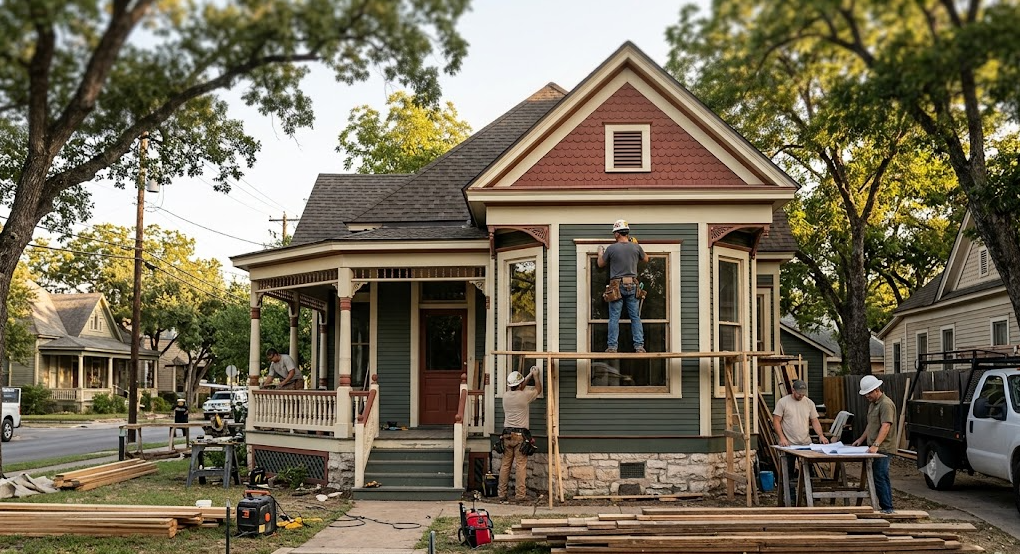
Preserving Austin’s Historic Character While Building for the Future
Historic homes are an important part of Austin’s identity, reflecting decades of architectural craftsmanship, cultural heritage, and community history. Renovating these properties requires far more than replacing outdated materials or updating interior spaces. Every decision must balance preserving original details with introducing modern functionality that supports today’s lifestyle. Homeowners often want to improve comfort, efficiency, and safety without losing the unique charm that makes their historic home special. That balance requires extensive planning, specialized knowledge, and a clear understanding of both traditional construction methods and modern building practices. As experienced professionals, we believe every historic renovation should respect the home’s story while preparing it for many more generations of use.
Understanding the Unique Challenges of Historic Renovations
Historic homes rarely follow modern construction standards, which makes every renovation project different from a newly built house. Older foundations, aging framing, original plumbing, and outdated electrical systems often require careful evaluation before any improvements begin. Many materials used decades ago are no longer common, meaning repairs must be completed using techniques that preserve the home’s authenticity. Unexpected structural discoveries behind walls or beneath flooring are also common during renovation projects. Instead of rushing through these challenges, experienced contractors approach them with patience and detailed planning. This careful process helps minimize surprises while ensuring every upgrade supports the long-term integrity of the property.
Research and Planning Before Construction Begins
Successful historic home renovations always begin with thorough research and careful planning rather than immediate demolition. Construction teams study the home’s architectural style, previous renovations, and existing structural conditions before creating a renovation strategy. Understanding which elements contribute to the home’s historic value helps determine what should be restored, repaired, or replaced. Local regulations and preservation requirements may also influence the renovation process depending on the property’s location and designation. Detailed inspections provide valuable information that guides budgeting, scheduling, and construction decisions throughout the project. Investing time during the planning phase creates a smoother renovation experience and reduces costly revisions later.
Respecting Original Architectural Details
One of the defining characteristics of historic home renovation is preserving the craftsmanship that makes older homes unique. Original woodwork, decorative trim, custom moldings, hardwood flooring, vintage fireplaces, and handcrafted windows often become focal points during restoration. Rather than replacing these features with modern alternatives, skilled construction professionals work to restore and strengthen them whenever possible. Matching original materials, textures, and finishes requires attention to detail that goes beyond standard remodeling practices. Even small architectural details contribute significantly to the home’s overall character and historical value. Protecting these elements allows homeowners to enjoy authentic beauty while improving the home’s functionality.
Upgrading Structural Systems Without Changing the Home’s Character
Many historic homes require structural improvements to meet modern safety expectations while maintaining their original appearance. Foundations may need stabilization, framing may require reinforcement, and roofing systems often benefit from comprehensive repairs. These upgrades are carefully designed so they remain largely invisible after construction is complete. Modern engineering techniques allow contractors to strengthen older structures without dramatically altering their historic architecture. This approach provides greater durability while preserving the visual appeal that homeowners value most. Renaissance Contracting understands that structural integrity and historical preservation must work together throughout every stage of renovation.
Modernizing Electrical, Plumbing, and HVAC Systems
Behind the walls of many historic homes are systems that no longer meet today’s performance standards. Electrical wiring may lack sufficient capacity for modern appliances, plumbing systems may contain aging materials, and outdated HVAC equipment often struggles to provide efficient climate control. Renovating these systems significantly improves safety, reliability, and everyday comfort for homeowners. Careful installation methods help conceal new mechanical systems without damaging historic architectural features. Energy efficient equipment can often be integrated discreetly into older homes while maintaining their original interior appearance. These improvements allow homeowners to enjoy contemporary convenience without sacrificing historic authenticity.
Restoring Historic Windows and Doors
Windows and doors contribute greatly to the architectural identity of historic homes throughout Austin. Original wood windows often feature craftsmanship that cannot easily be replicated with modern products. Instead of replacing them entirely, restoration specialists frequently repair frames, improve weather sealing, and restore functionality while preserving their historic appearance. Original entry doors can also be refinished, reinforced, and upgraded with improved security features. These restoration efforts maintain the home’s architectural integrity while improving energy efficiency and everyday usability. Preserving these visible features helps maintain the timeless character that defines many historic neighborhoods.
Matching Traditional Materials With Modern Performance
Finding appropriate materials is one of the most important aspects of historic renovation. Replacement brick, natural stone, hardwood species, roofing materials, and decorative trim should closely match the home’s original construction whenever possible. Modern manufacturing techniques often provide improved durability while maintaining the same visual appearance as historic materials. Careful material selection ensures repairs blend naturally with existing structures instead of standing out as obvious additions. Skilled contractors understand how color, texture, grain patterns, and installation methods all influence the finished result. Using compatible materials helps maintain both structural performance and historical consistency.
Improving Energy Efficiency in Older Homes
Historic homes were built long before today’s energy efficiency standards became common. Renovation projects provide an excellent opportunity to improve insulation, reduce air leakage, upgrade HVAC performance, and install more efficient lighting systems. These improvements can significantly reduce monthly utility costs while making the home more comfortable throughout the year. The challenge is implementing these upgrades without compromising historic finishes or architectural details. Careful planning allows contractors to improve energy performance while preserving original walls, ceilings, windows, and decorative elements. Homeowners benefit from lower operating costs while continuing to enjoy the home’s traditional character.
Working Within Austin’s Building Requirements
Historic renovation projects often involve additional permitting, inspections, and regulatory considerations compared to standard remodeling work. Local building requirements help ensure renovations preserve architectural heritage while maintaining public safety standards. Experienced contractors understand how to coordinate with inspectors, engineers, architects, and other professionals throughout the approval process. Proper documentation and communication reduce delays while helping projects remain compliant from beginning to end. Homeowners gain confidence knowing their renovation follows applicable requirements without unnecessary complications. Thorough project management also keeps construction moving efficiently despite the added complexity of historic restoration.
Managing Unexpected Discoveries During Renovation
Opening walls, removing flooring, or exposing structural components often reveals conditions that were impossible to identify during initial inspections. Hidden water damage, termite activity, aging structural members, or outdated utility systems may require additional repairs before construction continues. Experienced renovation teams anticipate these possibilities and maintain flexibility throughout the project schedule. Honest communication helps homeowners understand why certain adjustments become necessary during construction. Careful problem solving ensures new work builds upon a stable and reliable foundation rather than covering existing issues. Addressing these discoveries properly protects the long-term value of the investment.
Creating Functional Spaces for Modern Living
While preserving history remains important, homeowners also want spaces that support modern lifestyles. Kitchens, bathrooms, laundry rooms, and family living areas are frequently redesigned to improve convenience while respecting the home’s original architecture. Open layouts may sometimes be introduced carefully without compromising significant structural or historical features. Storage solutions, lighting improvements, and accessibility upgrades can all be incorporated thoughtfully into older homes. The goal is creating comfortable living environments that feel contemporary while honoring the home’s heritage. Renaissance Contracting approaches every renovation with the understanding that historic preservation and practical living should complement one another rather than compete.
Why Experience Matters in Historic Home Renovation
Historic renovations require patience, craftsmanship, technical expertise, and careful project coordination from beginning to end. Every decision influences not only the home’s appearance but also its long-term durability and historical significance. Contractors with experience in older homes understand how traditional construction methods differ from modern building practices and how to bridge those differences successfully. They know when restoration is the better option, when replacement becomes necessary, and how to blend new work seamlessly with existing structures. Renaissance Contracting works closely with homeowners throughout every phase of the renovation process to deliver thoughtful solutions that respect both history and functionality. By combining careful planning, quality craftsmanship, and modern construction expertise, we help preserve Austin’s historic homes while preparing them to serve families comfortably for decades to come.