
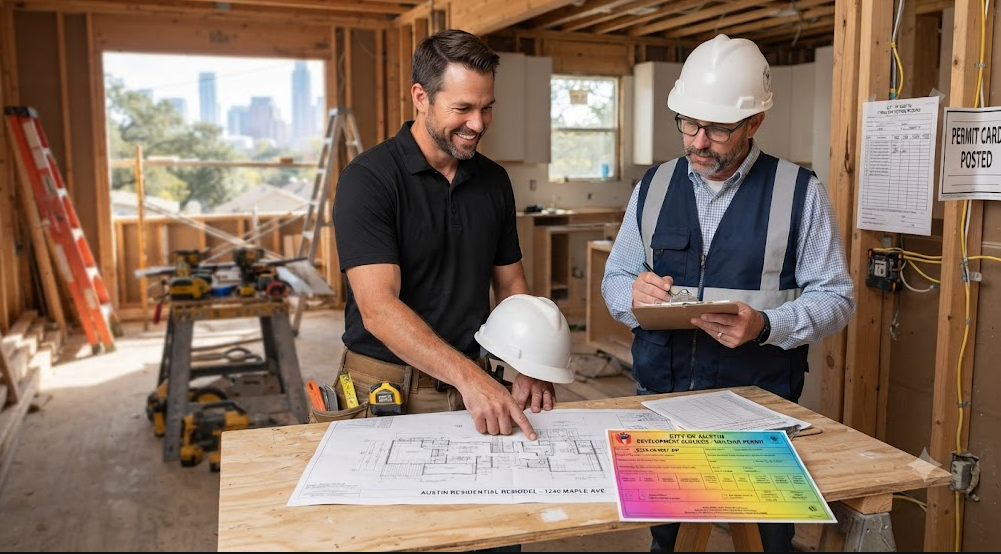
How Austin Home Remodel Contractors Handle Permits and Inspections
Home remodeling is an exciting opportunity to improve the comfort, value, and functionality of your property. Whether you are updating a kitchen, expanding your living space, remodeling a bathroom, or completing a whole home renovation, every successful project depends on more than quality craftsmanship. One of the most important parts of the remodeling process is ensuring that every improvement complies with local building regulations. This is where permits and inspections become essential.
Many homeowners are unfamiliar with the permitting process and may wonder why it is necessary. The truth is that permits and inspections protect homeowners, contractors, and future buyers by ensuring that construction work meets established safety and building standards. Understanding how experienced Austin home remodel contractors manage these requirements can help homeowners feel more confident throughout their renovation journey.
Why Building Permits Matter
A building permit is official approval from the local authority that allows construction or remodeling work to begin. The permit confirms that the proposed project complies with applicable building codes, zoning regulations, and safety requirements before construction starts.
Permits are commonly required for projects involving structural modifications, electrical upgrades, plumbing changes, HVAC installations, room additions, garage conversions, major kitchen renovations, bathroom remodels, and many other improvements. Even projects that appear relatively simple may require approval depending on their scope.
Working without the required permits can create serious problems. Homeowners may face fines, delays, additional repair costs, or complications when selling their property. Insurance claims may also become more difficult if unpermitted work contributes to property damage.
Evaluating the Scope of the Project
Before submitting any permit applications, experienced contractors carefully evaluate the entire remodeling project. This planning stage determines exactly which permits will be required based on the nature of the renovation.
The contractor reviews structural plans, existing conditions, utility systems, property boundaries, and local building regulations. Every detail is considered to ensure that the proposed work complies with city requirements before construction begins.
This preparation helps prevent unexpected issues that could delay approvals or inspections later in the project.
Preparing Construction Plans
Accurate documentation is one of the most important parts of the permitting process. Local building departments often require detailed drawings that explain exactly what work will be completed.
Construction plans may include floor layouts, framing details, foundation information, electrical diagrams, plumbing layouts, roofing details, elevations, and engineering specifications where necessary.
These plans allow permit reviewers to verify that the remodeling project complies with building codes before work begins.
Submitting Permit Applications
Once the construction documents are complete, permit applications are submitted to the appropriate municipal department.
The review process may involve several departments depending on the project. Structural reviewers evaluate framing and load bearing components. Electrical inspectors review wiring plans. Plumbing officials verify water supply and drainage systems. Mechanical reviewers examine heating and cooling installations when applicable.
If additional information is requested, experienced contractors respond quickly by providing revised drawings or supplemental documentation.
Our team understands that proper communication during this phase helps avoid unnecessary delays and keeps projects moving forward.
Understanding Austin Building Codes
Every municipality has building codes designed to protect occupants and ensure safe construction practices. Austin follows adopted building codes that regulate everything from structural design and electrical safety to plumbing installations and energy efficiency.
Home remodeling contractors stay current with code updates and permit requirements because regulations can change over time. This ongoing knowledge helps ensure every project remains compliant throughout construction.
Rather than viewing building codes as obstacles, professional contractors recognize them as valuable standards that improve the long term safety and durability of every renovation.
Scheduling Inspections Throughout Construction
Receiving a permit does not mean the project is finished from a regulatory standpoint. Multiple inspections usually occur during different phases of construction.
Inspectors verify that work matches approved plans before the next stage begins. Depending on the project, inspections may include foundation work, framing, plumbing rough ins, electrical systems, insulation, mechanical installations, and final completion.
Scheduling these inspections at the appropriate times is critical because construction often cannot proceed until the previous inspection has been approved.
Experienced remodeling contractors coordinate inspection schedules carefully to minimize downtime and maintain project momentum.
Correcting Issues When Necessary
Even well planned remodeling projects occasionally require adjustments after an inspection. Inspectors may identify minor corrections that must be completed before approval is granted.
Professional contractors address these items promptly by making the required corrections and arranging any necessary follow up inspections.
This cooperative approach keeps the project progressing while ensuring the finished renovation fully complies with applicable codes.
Coordinating Multiple Trades
Modern remodeling projects involve many specialized professionals working together.
Electricians, plumbers, HVAC technicians, framers, drywall installers, flooring specialists, painters, and finish carpenters must complete their work in the correct sequence while remaining prepared for scheduled inspections.
Effective project management ensures each trade finishes its responsibilities before inspectors arrive. Careful coordination reduces delays and helps maintain a smooth construction schedule.
Keeping Homeowners Informed
Permits and inspections can seem complicated for homeowners who have never completed a major renovation.
Good contractors provide regular updates throughout the process. They explain which permits have been approved, when inspections are scheduled, what inspectors will review, and how the project is progressing.
Clear communication helps homeowners understand each step while reducing unnecessary stress throughout the renovation.
At Renaissance Contracting, we believe informed homeowners make better decisions and enjoy a more positive remodeling experience.
Common Projects That Require Permits
Many homeowners are surprised by the variety of projects that typically require permits.
Kitchen remodels involving plumbing or electrical relocation often require approval. Bathroom renovations with plumbing modifications generally need permits as well. Room additions nearly always require extensive permitting because structural, electrical, plumbing, and mechanical systems are involved.
Garage conversions, structural wall removal, window enlargements, roof modifications, deck construction, and accessory dwelling units frequently require permits and multiple inspections before completion.
Understanding these requirements early allows homeowners to budget both time and costs more accurately.
The Importance of Final Inspections
The final inspection represents the last major step before a remodeling project is considered complete.
Inspectors verify that all approved work has been completed according to code and matches the original permit documentation. Once the final inspection passes, the project can officially be closed.
Successful completion demonstrates that the renovation meets established safety standards and provides valuable documentation for future property transactions.
This final approval gives homeowners confidence that their investment was completed properly.
Choosing a Contractor Who Understands the Process
Not every contractor manages permits and inspections with the same level of organization and professionalism.
Experienced remodeling companies understand local regulations, prepare accurate documentation, communicate effectively with municipal officials, coordinate inspections efficiently, and resolve issues quickly when necessary.
These skills help projects move more smoothly while reducing unnecessary delays and avoiding costly mistakes.
Working with knowledgeable professionals allows homeowners to focus on the excitement of their renovation rather than worrying about regulatory requirements.
Permits and inspections are essential components of any successful home remodeling project. While they may seem like administrative hurdles, they play a vital role in protecting homeowners, ensuring construction quality, and maintaining compliance with local building standards.
From preparing detailed plans and securing permits to coordinating inspections and completing final approvals, every stage requires careful planning and professional expertise. By working with experienced contractors who understand the local permitting process, homeowners can enjoy a smoother renovation with greater confidence from beginning to end.
At Renaissance Contracting, we guide our clients through every phase of the remodeling process while handling permits, inspections, and regulatory requirements with professionalism and attention to detail. Our goal is to deliver beautiful renovations that meet the highest standards of craftsmanship, safety, and compliance. When you choose Renaissance Contracting for your next remodeling project, you can feel confident knowing every detail is managed with care from start to finish.
Planning a Remodel in Austin?
Renaissance Contracting has helped Greater Austin homeowners since 2006 with kitchen and bathroom remodels, room additions, flooring, cabinets and whole-home renovations. We serve Austin, Cedar Park, Round Rock, Georgetown, Leander, Pflugerville and Hutto.
See our kitchen remodels, bathroom remodels, room additions, or our full list of remodeling services.
Call (512) 691-9047 or request your free estimate today.