

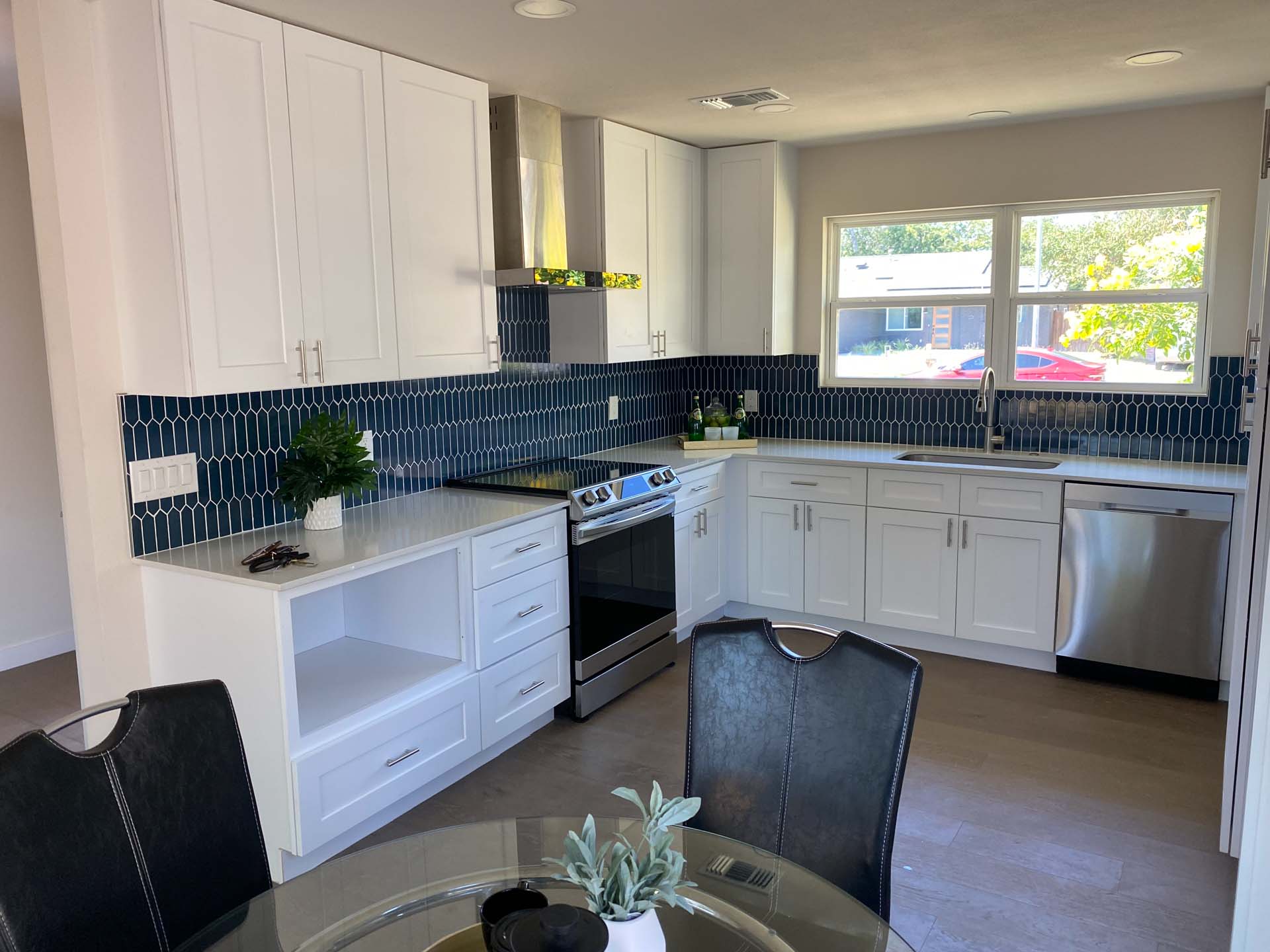
The Hidden Economics of Smart Renovations in Austin
In a fast-evolving city like Austin, renovations are no longer just about updating a space. They are strategic investments that influence property value, operational efficiency, and long-term cost control. As renovation contractors in Austin, we approach every project with a focus on performance, lifecycle value, and measurable outcomes rather than surface-level changes.
At Renaissance Contracting, we see renovations as a financial and functional optimization process. The right decisions today can significantly reduce maintenance costs, improve structural longevity, and enhance usability for years to come.
Why Austin Properties Require a Different Renovation Approach
Austin’s rapid growth has created a unique mix of older structures and modern builds. Many properties were not designed for current usage demands, whether it is increased occupancy, higher energy loads, or evolving building codes.
We frequently encounter:
• Aging infrastructure that cannot support modern systems
• Inefficient layouts that reduce usable square footage
• Outdated materials that increase long-term maintenance costs
• Code compliance gaps due to regulatory updates
Our role as renovation contractors in Austin is to identify these inefficiencies and resolve them with precision. Instead of applying temporary fixes, we focus on structural and systems-level improvements that deliver lasting value.
Renovation as a Performance Upgrade
A well-executed renovation should improve how a building performs. This includes structural integrity, energy efficiency, and functional usability.
We approach projects by analyzing three key performance areas:
Structural Reliability
Many older Austin properties have foundational or framing issues that may not be immediately visible. Addressing these early prevents costly failures later. We conduct detailed assessments and reinforce critical components to ensure long-term stability.
Systems Efficiency
Electrical, plumbing, and HVAC systems often operate below modern standards. Upgrading these systems reduces energy consumption and minimizes repair frequency. This is especially important in Austin’s climate, where HVAC demand is high throughout the year.
Space Utilization
Unused or poorly configured spaces reduce a property’s potential. By rethinking layouts from a functional perspective, we help clients maximize usable space without unnecessary expansion.
Cost Control Through Strategic Planning
One of the biggest misconceptions about renovations is that costs are unpredictable. In reality, most budget overruns stem from poor planning and reactive decision-making.
We mitigate this by:
• Conducting thorough pre-construction assessments
• Identifying risks before work begins
• Establishing clear scopes and timelines
• Coordinating trades efficiently to avoid delays
This structured approach allows us to maintain control over both costs and timelines, ensuring that projects stay aligned with client expectations.
Compliance and Risk Management
Austin’s regulatory environment continues to evolve, particularly in areas like energy standards and safety requirements. Renovations that fail to meet current codes can lead to fines, delays, or forced rework.
As experienced renovation contractors in Austin, we stay current with all local regulations and ensure that every project meets or exceeds compliance requirements. This protects our clients from legal and financial risks while also improving overall building quality.
Long-Term Value Over Short-Term Gains
A renovation should not be evaluated solely on its immediate visual impact. The true measure of success lies in how well it performs over time.
We prioritize:
• Durable materials that withstand Austin’s environmental conditions
• Construction methods that reduce wear and tear
• Systems that are easy to maintain and upgrade
This focus on longevity ensures that clients receive maximum return on their investment.
Collaboration and Transparency
Successful renovations depend on clear communication and collaboration. We work closely with property owners, project managers, and stakeholders throughout every phase of the project.
Our process includes:
• Detailed project planning and documentation
• Regular progress updates
• Transparent cost tracking
• Proactive issue resolution
By maintaining open communication, we eliminate uncertainty and keep projects moving efficiently.
The Role of Data in Modern Renovations
Data-driven decision-making is becoming increasingly important in the renovation industry. We leverage data to:
• Assess building performance
• Identify inefficiencies
• Forecast maintenance needs
• Optimize resource allocation
This analytical approach allows us to make informed decisions that improve both short-term execution and long-term outcomes.
Why Experience Matters in Austin Renovations
Renovating in Austin requires more than general construction knowledge. It demands an understanding of local building conditions, regulatory frameworks, and market dynamics.
Our experience allows us to anticipate challenges that less specialized contractors may overlook. Whether it is soil movement affecting foundations or specific compliance requirements, we bring a level of foresight that reduces risk and improves results.
At Renaissance Contracting, we combine technical expertise with a disciplined process to deliver renovations that are efficient, compliant, and built to last.
Moving Forward with Confidence
Choosing the right renovation contractors in Austin is a critical decision that impacts both the success of the project and the long-term value of the property.
We focus on delivering outcomes that go beyond expectations by aligning every aspect of the renovation with performance, durability, and cost efficiency. With a structured approach and a commitment to quality, we help clients navigate complex renovation projects with clarity and confidence.
Renaissance Contracting remains dedicated to providing renovation solutions that are not only effective today but continue to deliver value well into the future.